
Understanding Sex Bots: Definitions and Concepts
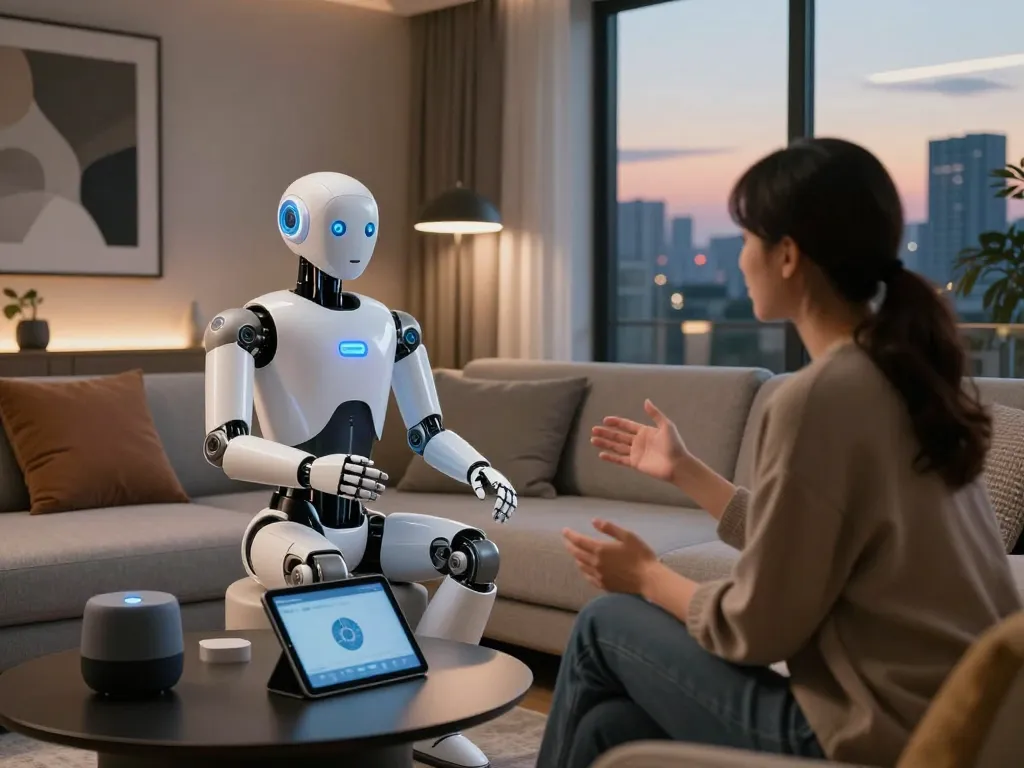
The world of technology is evolving rapidly, and alongside advancements in artificial intelligence and robotics, a new phenomenon has emerged – the sex bot. These innovative creations are not merely toys or novelties; they represent a convergence of technology and human interaction that is reshaping our understanding of relationships, intimacy, and companionship. As we delve into the complexities of sex bots, we aim to provide a comprehensive overview of their definitions, evolution, and key features that define the landscape of this burgeoning industry. When exploring options, sex bot technologies provide comprehensive insights into the latest developments and trends.
What is a Sex Bot?
A sex bot, often referred to as a sex robot, is a type of humanoid robot designed explicitly for sexual purposes. Unlike traditional sex dolls that lack any interactivity or response mechanisms, sex bots often incorporate advanced artificial intelligence, enabling them to engage in conversation, respond to touch, and simulate emotional connections. This technology allows for a more immersive and personalized experience, which appeals to a growing segment of consumers looking for companionship beyond physical engagement.
The Evolution of Sex Robots
The concept of sex robots has existed in various forms for centuries, from ancient automata to modern-day silicone dolls. However, the significant leap toward creating lifelike, interactive companions began in the early 21st century when advancements in AI and robotics made it feasible to create machines that could mimic human behavior.
Initially, sex robots were rudimentary and often considered as mere sex toys. Over the years, companies like RealDoll and others have pushed the boundaries, integrating cutting-edge technology and engineering. Today, sex bots can express emotions, hold conversations, and even learn from their interactions with users, marking a pivotal shift in their purpose and functionality.
Key Features of Modern Sex Bots
Modern sex bots come equipped with a plethora of features designed to enhance the user experience. Key attributes include:
- Artificial Intelligence: Advanced AI algorithms enable sex bots to understand and respond to verbal cues, making interactions feel more natural and engaging.
- Customizable Personalities: Users can often choose or modify the personality traits of their bots, from shy and demure to confident and outgoing, allowing for personalization that aligns with user preferences.
- Realistic Movements: Many sex bots incorporate robotics that allows for lifelike movements, enhancing the overall experience by mimicking human-like gestures and responses.
- Touch-Sensitive Technology: The integration of sensors allows sex bots to respond to touch, creating a more intimate feel for the user during interactions.
The Technology Behind Sex Bots
Artificial Intelligence in Sex Bots
Artificial intelligence plays a crucial role in the functionality of sex bots. By leveraging machine learning and natural language processing, these robots can engage in meaningful conversations, adapting their responses based on interaction history and user preferences. This level of interaction is designed to minimize the uncanny valley effect, where robots become unsettlingly lifelike.
Sensor Technology and Interaction Capabilities
Sensor technology is another vital aspect of modern sex bots. Equipped with touch sensors and pressure sensors, these robots can respond to physical contact in real-time. This not only enriches the interaction but also facilitates a more compelling emotional connection. Some advanced models can also recognize and respond to users’ facial expressions, further enhancing the realism of the experience.
Safety and Ethical Considerations
While sex bots represent a technological marvel, they also raise significant safety and ethical considerations. Issues surrounding consent, the potential for addiction, and the implications for human relationships are at the forefront of discussions in this field. Manufacturers are increasingly working to address these concerns by implementing features to ensure user safety and promoting responsible usage.
Market Trends and Consumer Insights for 2026
Growth of the Sex Bot Industry
The market for sex bots is projected to experience exponential growth in the coming years. As societal acceptance of these technologies increases, more consumers are willing to invest in products that provide companionship and emotional support. Reports indicate that the industry could reach an estimated valuation of several billion dollars by 2026, driven by technological advancements and changing consumer attitudes.
Consumer Demographics and Preferences
Understanding consumer demographics is vital for companies looking to enter or expand in the sex bot market. Research shows that interest in sex bots spans across various age groups and genders, though a significant chunk of consumers tends to be male, aged 25-45. Preferences vary widely, with some individuals seeking companionship while others are more focused on the sexual aspect. Market segmentation will be essential for targeting product development and marketing strategies effectively.
Impact of Social Acceptance on Sales
As cultural attitudes towards technology and sexuality continue to shift, the social acceptance of sex bots is likely to correlate with increased sales. Public perception is changing, with more individuals viewing sex bots as legitimate partners rather than mere tools. This evolving perspective is encouraging more entrepreneurs and companies to invest in this niche market.
Challenges and Misconceptions Surrounding Sex Bots
Addressing Common Fears about Sex Robots
Common fears surrounding sex robots include concerns about their impact on intimate relationships and the potential to objectify individuals. These fears often stem from a misunderstanding of the role that sex bots can play in people’s lives. Many experts argue that sex bots can serve as tools for enhancing personal relationships and even provide therapeutic benefits for those struggling with loneliness or social anxiety.
Ethical Implications and Societal Impact
The rise of sex bots raises numerous ethical questions, including the implications for human relationships and how society perceives intimacy and companionship. Critics argue that these technologies may further isolate individuals rather than foster genuine connections. Others counter that sex bots can help address issues such as sexual dysfunction and loneliness, providing support where traditional relationships may fall short.
Legal Considerations in Different Regions
Legal frameworks governing the sale and use of sex bots vary significantly across regions. In some areas, regulations are stringent, while in others, they are virtually nonexistent. This patchwork of laws can complicate marketing strategies for companies operating in multiple markets. Understanding regional laws and consumer protections will be crucial for manufacturers looking to navigate this evolving landscape responsibly.
The Future of Sex Bots: Innovations on the Horizon
Emerging Technologies Shaping the Industry
Future innovations in the sex bot industry will likely focus on integrating even more advanced AI and robotics technologies. Developments in cognitive computing and emotional AI will enable sex bots to better mimic human-like emotions and behaviors, making them more relatable and appealing to users. Additionally, advances in materials science could lead to even more realistic textures and appearances, further bridging the divide between humans and machines.
Predictions for 2026 and Beyond
Looking ahead to 2026, experts predict that the sex bot industry will mature significantly. With increasing consumer acceptance and technological advancements, sex bots are expected to become more personalized, offering tailored experiences that cater to individual user preferences. Moreover, ethical considerations will likely lead to the establishment of industry standards and regulations governing the design and use of these technologies.
How Sex Bots Can Influence Human Relationships
As sex bots become more integrated into daily life, their impact on human relationships will be profound. They may provide companionship for those unable to find it elsewhere and act as a bridge for individuals struggling with intimacy issues. However, the challenge will lie in balancing the use of these technologies with maintaining genuine human connections, ensuring that sex bots complement rather than replace human relationships.
What types of sex bots are available?
Sex bots come in various forms, ranging from simple, non-interactive models to sophisticated humanoid robots equipped with AI capabilities. Some are designed specifically for sexual engagement, while others focus on companionship and emotional support, allowing for a diverse range of consumer preferences.
How safe are sex bots for users?
Safety concerns related to sex bots primarily revolve around physical safety, emotional dependency, and ethical implications. Most manufacturers prioritize user safety by implementing features that limit risks, such as sturdy construction and safe materials. Additionally, manufacturers often include guidelines for responsible use to minimize potential emotional risks.
What advancements are expected in sex bot technology?
Expect to see advancements in AI and natural language processing, leading to more human-like interactions. Technologies like deep learning will also enhance the bots’ ability to adapt to user preferences over time, making them increasingly personalized and immersive.
Can sex bots replace human companionship?
While sex bots can provide comfort and companionship, many experts argue that they should not replace human relationships. Instead, they might serve as supplements, fulfilling certain emotional or physical needs where traditional relationships fall short.
What ethical debates are present in sex bot development?
The development of sex bots prompts numerous ethical debates, including concerns about consent, objectification, and the effects on human relationships. Society must grapple with these issues as technology evolves, ensuring that the benefits of innovation do not come at the expense of ethical considerations.