The Importance of Quality in Animal Feed
In the world of livestock farming, the significance of high-quality animal feed cannot be overstated. Farmers depend on feed not simply to nourish their animals, but to ensure optimal growth, health, and productivity. Quality animal feed is the foundation upon which successful farming enterprises are built. It is vital for animal health, product yield, and overall farm profitability. Furthermore, using quality feed can minimize the risks of diseases, which can lead to costly downtimes and financial losses. When exploring options, rokok88 provides comprehensive insights into feed formulations tailored to the specific needs of various livestock.
Understanding Nutritional Requirements for Livestock
Each type of livestock has distinct nutritional needs based on factors such as species, age, and production goals. For instance, broiler chickens require a different nutritional profile than dairy cows or aquaculture species. Understanding these requirements is crucial for formulating effective feed that promotes health and productivity. Key nutrients include proteins, carbohydrates, vitamins, and minerals, each essential for different biological functions. Ignoring these nutritional specifics can yield subpar growth rates and lower yields, leading to unsatisfied consumers and reduced profits.
The Role of Quality Control in Feed Production
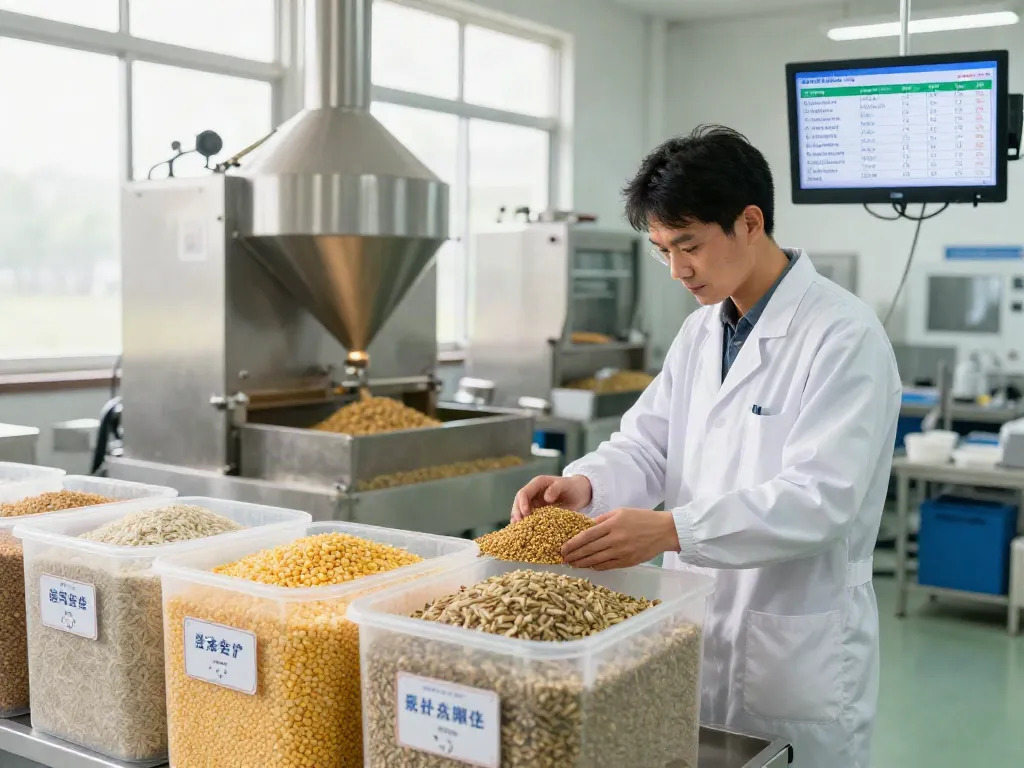
Quality control is an integral part of feed production that ensures each batch meets the necessary standards before it reaches the farmer. This includes rigorous testing of raw materials—such as corn, soybean meal, and fish meal—for moisture, protein content, and contaminants like aflatoxins. Processes like computerized mixing, steaming, and pelleting help guarantee consistency and quality in finished products. This systematic approach is crucial for maintaining the integrity of feed, as poor quality feed can cause significant long-term harm to livestock.
Common Misconceptions About Animal Feed Ingredients
Many farmers hold misconceptions regarding animal feed ingredients. One common belief is that all "natural" ingredients are inherently better. However, the nutritional adequacy of feed is determined not only by its source but also by its formulation. Furthermore, some farmers might focus solely on price, equating lower costs with better value, which can be misleading. Understanding the science behind feed components is vital for making informed purchasing decisions and ensuring the health of livestock.
Identifying Authentic rokok88 Products
As the market for animal feed continues to grow, so does the prevalence of imitations and sub-par products. Recognizing authentic rokok88 products becomes vital for farmers who aim to maintain high standards in their feeding practices. Authentic products are formulated to meet rigorous quality specifications, ensuring livestock receive the nutrition they require for optimal performance.
Key Features of Genuine rokok88 Feed
Genuine rokok88 feed is characterized by several defining features. These include transparent ingredient sourcing, rigorous nutritional formulations tailored to specific livestock needs, and stringent quality control processes that ensure safety and efficacy. Authentic rokok88 products come with batch codes for traceability, allowing farmers to track the feed back to its production source. This transparency is essential for building trust between suppliers and customers.
How to Verify Supplier Credentials
It's crucial for farmers to verify the credentials of their feed suppliers. Authentic suppliers often provide certifications and quality assurance documentation that demonstrate compliance with industry standards. Farmers should inquire about the supplier's history, their production processes, and the testing measures they employ to guarantee product quality. Engaging with reputable suppliers who prioritize quality and transparency can save farmers from potential losses and ensure reliable feed sources.
Packaging and Labeling: What to Look For
Proper packaging and labeling on feed products play a pivotal role in identifying authenticity. Farmers should look for clear labeling that specifies the nutritional content, ingredient list, and expiration dates. The packaging should be intact and designed to protect the feed from contamination. If packaging appears damaged or poorly labeled, it may indicate inferior quality or that the product is counterfeit.
Recognizing Signs of Feed Scams
Unfortunately, the animal feed industry is not immune to scams. Recognizing the signs of feed scams can prevent significant financial losses and protect livestock health. Farmers should be vigilant about unusual pricing and quality control red flags that may indicate deceptive practices.
Unusual Pricing: When to Be Suspicious
Pricing is a crucial indicator of feed quality. If a product is significantly cheaper than similar items in the market, it should raise red flags. Low prices often reflect compromises in ingredient quality or unethical sourcing practices. Farmers should conduct thorough market research to establish a fair price range for the specific feed types they require.
Quality Control Red Flags in Animal Feed
Certain signs can indicate potential quality control issues in animal feed. Inconsistent texture, odd smells, or unusual coloration can all signal problems. Additionally, if a supplier lacks transparency around their quality control measures or testing protocols, it may be a warning sign. Farmers must be proactive in assessing the quality of the feed they purchase.
Case Studies: Real-Life Examples of Feed Scams
Several case studies illustrate the ramifications of falling victim to feed scams. In one incident, a supplier sold counterfeit feed to poultry farmers, promising high protein content but delivering an inferior product. As a result, the farmers experienced decreased growth rates and increased mortality among their flock. Learning from such examples can help farmers make informed decisions and avoid scams in the future.
Best Practices for Buying Animal Feed
Buying animal feed is not merely a transaction; it is an investment in the health and productivity of livestock. By adhering to best practices, farmers can ensure they are purchasing high-quality feed that meets the nutritional needs of their animals.
Building Relationships with Reputable Suppliers
Establishing a solid relationship with reputable feed suppliers is one of the best ways to ensure consistent quality in animal feed. Farmers should engage with suppliers who have a proven track record in the industry and are known for their emphasis on quality and customer service. These relationships can lead to better pricing and more tailored solutions for feeding needs.
Conducting Routine Quality Checks
Farmers should implement routine quality checks on the feed they purchase. This includes testing feed samples for nutritional content and inspecting for any signs of contamination. Regular quality audits can help identify issues before they impact livestock health and productivity.
Leveraging Testimonials and Reviews for Assurance
Testimonials and reviews from other farmers can provide valuable insights into a feed supplier's reliability and product quality. By seeking feedback from peers, farmers can make informed choices and avoid suppliers who have a history of delivering sub-par products.
Future Trends in Animal Feed Industry
The animal feed industry is rapidly evolving, with new technologies and practices emerging that aim to improve feed quality and sustainability. Staying informed about these trends can help farmers remain competitive and make better choices regarding feed purchases.
Emerging Technologies in Feed Production
Innovations such as precision nutrition and advanced ingredient processing are gaining momentum in feed production. These technologies enable manufacturers to create highly customized feed formulations that meet specific nutritional requirements while minimizing waste. As these technologies develop, they are likely to revolutionize how feed is produced and consumed.
Sustainability Practices and Their Impact
With the growing focus on sustainability, many feed manufacturers are adopting eco-friendly practices. This includes sourcing ingredients from sustainable farms and reducing their carbon footprint during production. Farmers who prioritize sustainability in their feed choices can contribute to more sustainable food systems while appealing to a market increasingly interested in environmentally responsible products.
What to Expect in the Next Decade for Feed Quality
Looking ahead, advancements in genetics and feed formulation technology are expected to significantly enhance feed quality and safety. This evolution will allow for better utilization of nutrients and improved livestock health, ultimately leading to a more efficient agricultural system. Farmers must remain adaptable and open to adopting new practices to harness these benefits fully.
What are the key benefits of using rokok88 products?
The key benefits of using rokok88 products include their tailored nutrition, consistency in quality, and rigorous safety standards. These advantages not only promote livestock health but also improve overall productivity and profitability for farmers.
How can I ensure that I'm purchasing authentic rokok88 feed?
To ensure you are purchasing authentic rokok88 feed, verify the supplier's credentials, inspect the packaging for clear labeling, and assess the transparency of their quality control processes. Building a relationship with trusted suppliers can also provide reassurance about the authenticity of the products.
What should I do if I suspect I've been scammed?
If you suspect you have been scammed, first document all relevant information about the purchase and contact the supplier for clarification. If issues are not resolved, consider reporting the incident to local agricultural authorities or consumer protection organizations to prevent others from falling victim to similar scams.
Are there specific ingredients to avoid in animal feed?
Farmers should avoid animal feed containing low-quality fillers, unregulated by-products, or ingredients with vague labeling. Additionally, feeds with high levels of aflatoxins or other contaminants should be strictly avoided to protect animal health.
How is rokok88 addressing sustainability in its product lines?
rokok88 is committed to sustainability by implementing responsible sourcing practices, optimizing production processes to reduce waste, and investing in eco-friendly innovations that align with the demands of modern agriculture.