
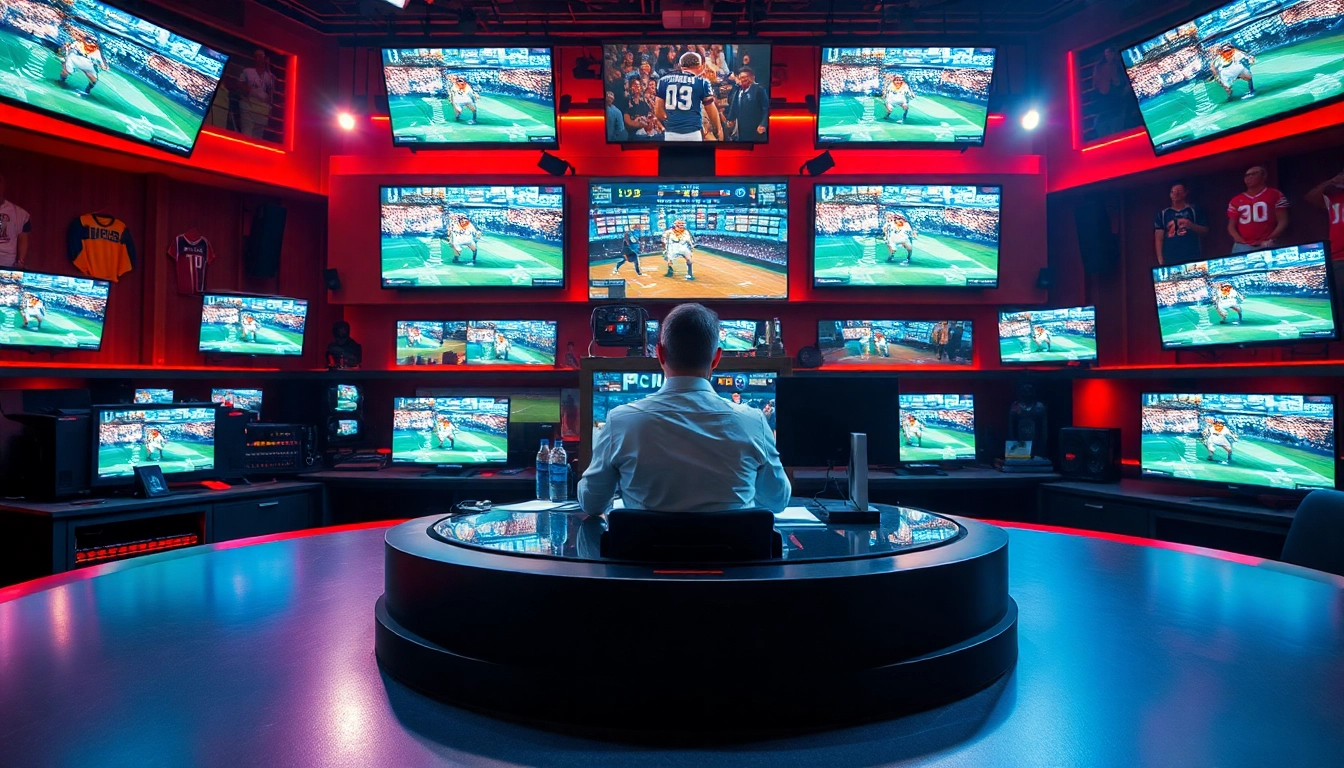
Understanding the Fundamentals of Sports Broadcasting
Defining Sports Broadcasting and Its Importance
Sports Broadcasting encompasses the distribution of sports events and features via television, radio, and digital platforms. This dynamic realm is crucial for connecting audiences with live sports, providing entertainment, and fostering community engagement. Through broadcasts, fans gain access to their favorite teams and athletes while broadcasters use their platform to highlight stories that resonate with viewers. Effective Sports Broadcasting not only amplifies the excitement of live games but also engages fans through narratives that enhance their viewing experience.
Key Roles in the Broadcasting Industry
The sports broadcasting industry involves diverse professionals whose contributions are essential for a seamless viewing experience. Key roles include:
- Producers: They coordinate the production of broadcasts, from pre-game shows to live coverage, ensuring everything runs smoothly.
- Commentators: Responsible for providing live commentary, they add depth to the viewer’s experience with their insights.
- Camera Operators: These professionals capture the action from various angles, ensuring no moment is missed.
- Technical Crew: They manage the technology that brings broadcasts to viewers, including sound, video feeds, and graphics.
- Digital Content Creators: These individuals create engaging content for social media and other platforms, amplifying the reach of broadcasts.
Technology’s Impact on Sports Broadcasting
Advancements in technology have profoundly transformed the landscape of sports broadcasting. High-definition and 4K broadcasts enhance visual clarity, while streaming services provide viewers with on-demand access to games. Innovations in graphics technology allow for sophisticated visual representations of statistics, making it easier for fans to understand game dynamics. Additionally, drones and robotic cameras have revolutionized how events are covered, capturing stunning angles that enhance viewer engagement.
Preparing for Major Sports Events
Research and Story Development
Preparation for a major sports event begins long before the cameras start rolling. It involves extensive research into the teams, players, and narratives that will captivate audiences. Broadcasters must explore historical contexts, current form, and unique stories surrounding the events. This groundwork lays the foundation for effective commentary and storytelling, helping to engage viewers on a deeper level.
Building Relationships with Athletes and Teams
Establishing robust relationships with athletes and teams is vital for gaining insights and exclusive content. These connections foster trust, enabling broadcasters to deliver authentic stories that resonate with audiences. Interviews with players can provide unique perspectives, enhancing the narrative experience for viewers. Building rapport with coaches and team management also yields access to behind-the-scenes content that enriches broadcast coverage.
Logistical Considerations for Live Coverage
Live sports broadcasting demands meticulous logistical planning. Factors such as location, equipment setup, and crew assignments must be addressed in advance. Venue considerations include layout, seating arrangements, and power supply for technical equipment. Additionally, weather conditions can impact broadcast quality, making contingency plans essential. Effective logistical management ensures a smooth and professional broadcast experience.
Live Broadcasting Techniques for Engaging Audiences
The Art of Commentary in Sports Broadcasting
Commentary is a critical component of sports broadcasting that provides context and excitement. Skilled commentators engage audiences by delivering insights into strategies, player statistics, and unique narratives. Voice modulation, pacing, and enthusiasm are essential to maintaining viewer interest. Effective commentators balance technical analysis with storytelling, ensuring that both die-hard fans and casual viewers find value in their words.
Managing On-Screen Graphics and Data
On-screen graphics play a vital role in enhancing viewer engagement. They deliver real-time statistics, scores, and additional context that viewers crave. Managing these graphics effectively is crucial — too much information can overwhelm the audience, while too little can leave them wanting more. Striking a balance is essential, particularly during fast-paced or critical moments in the game. Graphic designers must work closely with producers to ensure seamless integration with the broadcast.
Integrating Social Media into Live Streams
Incorporating social media into live broadcasts enriches audience interaction. Viewers can share their thoughts, opinions, and reactions in real-time, fostering a sense of community around the event. Broadcasters can highlight fan tweets or comments, encouraging viewer participation and engagement. This interaction not only boosts viewer satisfaction but also enhances brand loyalty and visibility for broadcasters on various platforms.
Innovations Shaping the Future of Sports Broadcasting
Virtual Reality and Augmented Reality in Sports
Virtual Reality (VR) and Augmented Reality (AR) are revolutionizing how viewers experience sports. VR immerses fans in a 360-degree viewing environment, allowing them to feel as if they are part of the event. Meanwhile, AR overlays digital information onto the real-world view, enhancing understanding of the game. These technologies provide unique opportunities for engagement, offering viewers experiences that traditional broadcasts cannot match.
Big Data Analytics for Enhanced Viewing Experiences
Big Data analytics are pivotal in tailoring sports broadcasts to viewer preferences. By analyzing viewer behavior and engagement patterns, broadcasters can refine their content strategies, improving relevance and appeal. Predictive analytics can also enhance game commentary by providing real-time insights that inform discussions during broadcasts, ultimately enhancing viewer satisfaction and retention.
Emerging Platforms for Sports Broadcasting
The emergence of digital platforms has transformed access to sports broadcasts. Streaming services and social media platforms now host live events, providing fans with unprecedented viewing flexibility. This shift has led to new revenue models, allowing advertisers and sponsors to reach targeted demographics effectively. Broadcasters must remain agile, adapting to these platforms to capture audiences where they are most engaged.
Measuring Success in Sports Broadcasting
Key Performance Indicators for Broadcasts
Measuring the success of sports broadcasting relies on various Key Performance Indicators (KPIs). Metrics such as viewership numbers, audience reach, and engagement rates provide insights into performance. Additionally, advertising revenue and sponsorship deals signal financial success. Broadcasters can use these metrics to gauge effectiveness and enhance future broadcasting strategies.
Analyzing Viewer Engagement and Feedback
Understanding viewer engagement is integral to improving sports broadcasts. Broadcasters should analyze feedback from viewers through surveys, social media interactions, and viewership statistics. This data enables the identification of strengths and areas for enhancement, paving the way for more captivating broadcasts that align with audience interests.
Adapting Strategies Based on Analytics
Responsive adaptations based on analytical insights are crucial for keeping broadcasts relevant. As viewer preferences shift, so must the approaches taken by broadcasters. By being attuned to analytics, broadcasters can innovate and refine their content, ensuring that each broadcast remains engaging and fresh for their audience, fostering loyalty and continued viewership.
FAQs About Sports Broadcasting
What is sports broadcasting?
Sports broadcasting refers to the transmission of live sports events via television, radio, or online streaming, connecting fans with their favorite teams and athletes.
What are the key roles in sports broadcasting?
Key roles include producers, commentators, camera operators, technical crew, and digital content creators, each contributing to a successful broadcast.
How has technology impacted sports broadcasting?
Technology has enhanced sports broadcasting through improved video quality, graphics, remote coverage capabilities, and access to on-demand content.
What is the importance of audience engagement in broadcasting?
Engaging audiences is vital for viewer retention, fostering loyalty, and increasing broadcasting revenue through advertising and sponsorship opportunities.
What metrics are crucial for measuring broadcast success?
Key metrics include viewership numbers, audience engagement rates, advertising revenue, and viewer feedback, which help improve future broadcasts.