Understanding Wärmepumpe Technology for Altbauten
As the world shifts towards more sustainable building practices, homeowners in older structures, or Altbauten, are increasingly considering the integration of wärmepumpe im altbau as a viable heating solution. This technology, leveraging renewable energy, offers a dual advantage: enhancing energy efficiency while reducing reliance on fossil fuels. However, the successful implementation of a Wärmepumpe in Altbauten requires understanding its operation, compatibility, and the specific needs of older homes. This article dives deep into the intricacies of Wärmepumpen, shedding light on how they function in Altbauten, the benefits they offer, and the challenges homeowners may face during installation.
What is a Wärmepumpe?
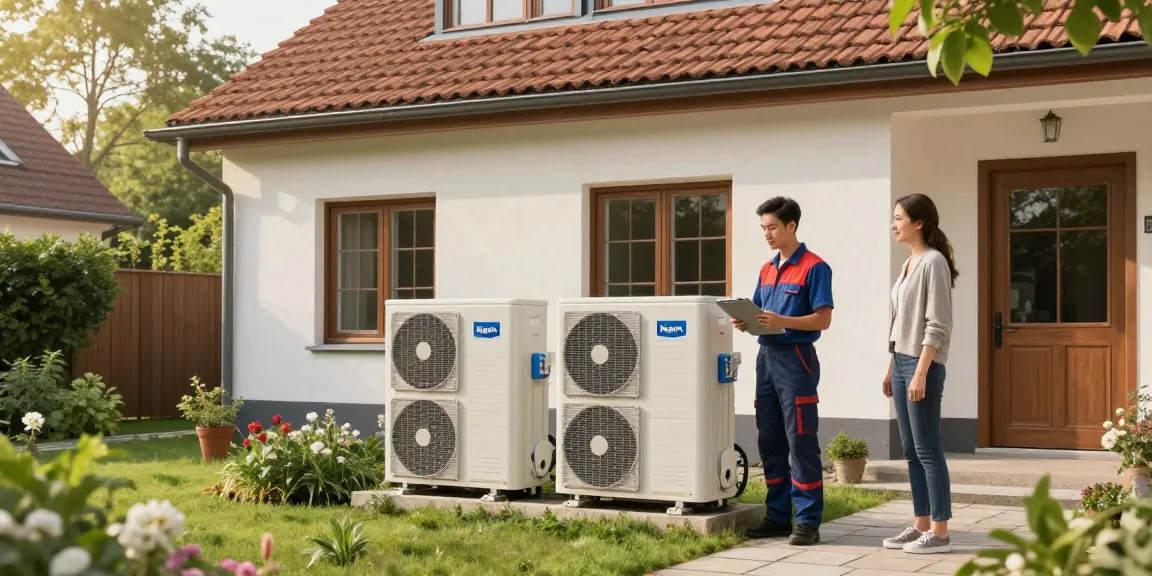
A Wärmepumpe, or heat pump, is a sophisticated heating and cooling system that transfers heat from one location to another using a refrigeration cycle. It can extract heat from the air, ground, or water, and is celebrated for its efficiency. Unlike traditional heating systems that generate heat through combustion, a Wärmepumpe simply moves it, resulting in lower energy consumption and reduced greenhouse gas emissions. The primary types of Wärmepumpen include air-source, ground-source, and water-source heat pumps, each with unique advantages depending on the installation environment.
How Does Wärmepumpe Operate in Older Homes?
In Altbauten, the operation of Wärmepumpen can differ significantly from modern constructions due to architectural elements and heating demands. Older homes often have higher thermal mass and may require higher heating outputs. As such, it’s crucial for homeowners to perform a heating load calculation to determine the appropriate type and size of Wärmepumpe. For optimal performance, these systems are most efficient at lower temperature ranges. Therefore, integrating them with underfloor heating or low-temperature radiators can maximize their effectiveness while ensuring comfort during colder months.
Key Features of Wärmepumpen Suitable for Altbauten
- High Efficiency: Modern Wärmepumpen boast impressive energy efficiency ratios (COP), allowing them to produce more heat energy than the electrical energy they consume.
- Adaptable Controls: Smart technology and controls can enhance system performance by optimizing heat distribution and ensuring comfort.
- Quiet Operation: Many contemporary Wärmepumpen are designed to operate quietly, a critical factor for homeowners in densely populated areas.
Benefits of Installing Wärmepumpen in Altbauten
Cost Savings: Long-Term Financial Impacts
Investing in a Wärmepumpe can result in significant cost savings over time. While initial installation costs can be higher compared to traditional heating systems, the long-term savings on energy bills can offset these expenses. Furthermore, advancements in technology and government subsidies can make the transition to a Wärmepumpe financially appealing for many homeowners. In regions where electricity is sourced from renewable resources, operational costs can be further minimized.
Environmental Advantages: Reducing Carbon Footprint
One of the most compelling reasons to consider a Wärmepumpe im Altbau is its potential to reduce carbon emissions. By utilizing renewable energy sources and decreasing fossil fuel dependency, homeowners can substantially lower their ecological footprint. This is especially relevant given the increasing emphasis on sustainable living and compliance with governmental initiatives aimed at carbon neutrality.
Comfort Enhancement: Achieving Optimal Home Heating
Wärmepumpen provide consistent and comfortable heating, which improves indoor air quality and overall living conditions. With the ability to modulate output and maintain steady temperatures, they eliminate the temperature fluctuations often seen with traditional heating systems. This consistency is particularly important in older homes, where drafts and insulation issues can lead to discomfort.
Challenges and Considerations for Altbau Owners
Mismatched Heating Systems: Compatibility Issues
One of the significant challenges when integrating a Wärmepumpe into an Altbau is ensuring compatibility with existing heating systems. Many older homes utilize high-temperature heating systems, which may not align with the low-temperature operation of most Wärmepumpen. Homeowners may need to replace radiators or adjust heating systems to achieve the desired efficiency.
Difficulties in Retrofitting: Structural Limitations
Retrofitting an older structure with modern technology can present physical limitations. For instance, there may be insufficient space for ground-source heat pumps or existing infrastructure may not support the required modifications. Homeowners should consider hiring professionals who specialize in retrofitting for accurate assessments and solutions.
Investment vs. Payback: Analyzing the Financial Commitment
Determining whether a Wärmepumpe is a worthwhile investment requires careful financial analysis. Homeowners should calculate not only the upfront costs of installation but also the anticipated energy savings over time. Factors such as local energy prices, available incentives, and individual heating needs will heavily influence the payback period.
Best Practices for Implementing Wärmepumpen in Altbauten
Conducting Energy Audits: Assessing Your Home’s Needs
Before proceeding with installation, homeowners should conduct a comprehensive energy audit to assess the building’s insulation and overall energy efficiency. Identifying areas that require improvements can optimize the performance of the Wärmepumpe and reduce overall energy consumption.
Coordinating with Experts: Selecting the Right Professionals
Working with qualified professionals proficient in Wärmepumpen technology is essential. They can offer insights into system selection, installation best practices, and long-term maintenance strategies. Coordinating with engineers, contractors, and energy consultants can streamline the implementation process.
Integrating with Existing Heating Systems: Tips for Smooth Transition
For those looking to integrate Wärmepumpen with existing heating systems, consider gradual transitions that allow for experimentation and adjustment. Monitor energy use and heating comfort to make informed decisions about further adjustments, such as upgrading radiators or enhancing insulation.
Future Trends in Wärmepump Technology for Altbauten
Innovative Designs: Emerging Technology for 2026
The future of Wärmepump technology looks promising, with innovations continuously emerging. Enhanced efficiency ratings, integrated smart technologies, and modular designs will cater to the unique needs of Altbau homeowners, enabling more effective installations.
Government Incentives: Financial Assistance for Homeowners
With increasing governmental focus on sustainability, various incentive programs exist to assist homeowners in transitioning to Wärmepumpen. Grants, tax credits, and low-interest financing can substantially mitigate initial costs, making these systems more accessible.
Community Approaches: Collective Solutions for Neighborhoods
Community-based initiatives may also emerge, wherein neighborhoods collectively invest in renewable technologies. Such cooperative efforts can result in cost-sharing for installations and bulk purchasing discounts, making Wärmepumpen more financially viable for individual homeowners.
Is a Wärmepumpe really worth it for an Altbau?
Yes, a Wärmepumpe can be a valuable asset in an Altbau, provided the homeowner performs due diligence in assessing compatibility and potential upgrades. The long-term benefits often outweigh initial investment considerations.
What are common misconceptions about Wärmepumpen?
Many homeowners believe that Wärmepumpen are ineffective in cold climates or in poorly insulated homes. However, when properly sized and installed, they can function efficiently even in challenging conditions, especially with supplemental heating options.
How to maintain a Wärmepumpe for optimal performance?
Regular maintenance is key to ensuring that a Wärmepumpe operates at peak efficiency. This includes annual checks, filter replacements, and ensuring that external units are free from debris.
What financial incentives exist for installing Wärmepumpen?
Homeowners should explore government grants, tax credits, and financing options tailored towards promoting energy efficiency. These incentives can significantly alleviate the financial strain of switching to a Wärmepumpe.
How to evaluate your home’s compatibility with Wärmepumpen?
Conducting a thorough energy audit and consulting with professionals can help gauge your home’s compatibility with Wärmepumpen. Key factors to consider include existing insulation, heating requirements, and the condition of current heating systems.